
When meals become difficult for your parent
Help with meals can mean more than groceries. Identify the difficult part and consider support that fits your parent.

You've helped fill your parent's fridge, but some of the food is still untouched. Ask what happens when they go to make a meal. The ingredients may be there, while chopping, cooking or opening a container has become difficult.
The help they need depends on where they get stuck. If appetite, chewing or swallowing has changed, or they're losing weight without trying, help them get medical advice alongside practical support.
Getting food home
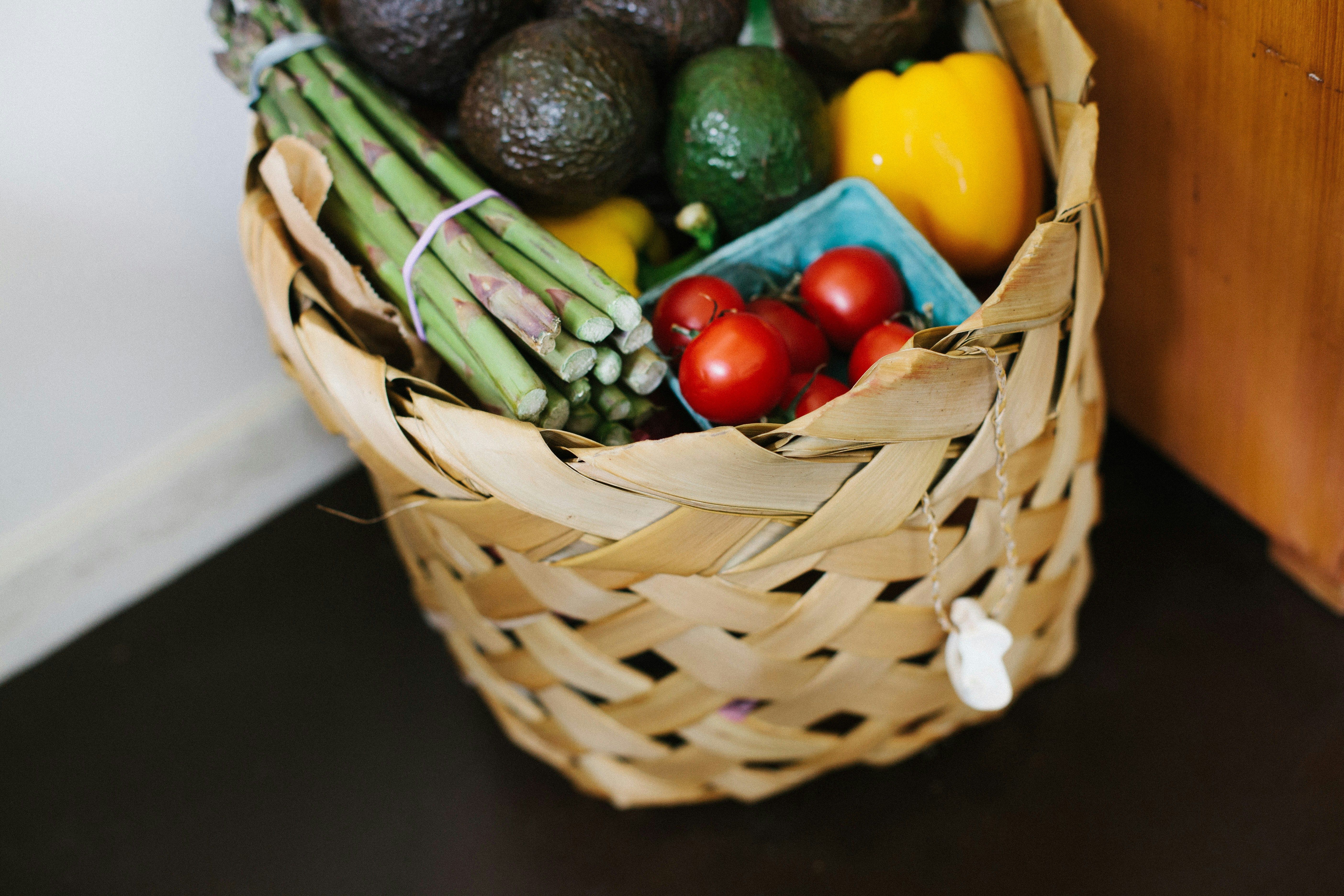
Suppose your parent enjoys making lunch but struggles to carry shopping home. A lift to the shop or a grocery delivery could help them keep cooking. If they are already finding cooking tiring, though, a delivery of raw ingredients leaves that work waiting.
Health Canada's guidance for older adults recognizes shopping, preparation, opening jars and a limited budget as different obstacles to eating well. It suggests looking into local food and meal services.
Start with food your parent wants and quantities they can use. Include delivery charges when comparing costs. A large order is less useful if they cannot put it away or much of it goes uneaten.
Making cooking manageable
Which part of preparing a meal takes the most effort? It might be peeling vegetables, standing at the cooker or washing up afterwards. Your parent may welcome help with those jobs and still want to do the cooking. Or they may prefer meals that need very little preparation.
Cooking extra portions when help is available is another option. The U.S. National Institute of Diabetes and Digestive and Kidney Diseases suggests preparing food ahead and exploring meal delivery when someone cannot cook for themselves. Choose meals that fit any dietary advice your parent has received.
Be clear about what you can keep doing. If you can cook with them occasionally but cannot prepare a week's meals, say so before that becomes the arrangement everyone relies on.
Before ordering prepared meals
Before ordering, find out whether the meals arrive hot, chilled or frozen, and what your parent would need to do with them. Can they open the packaging, follow the storage and heating instructions, use the appliance and carry the meal to the table?
For example, your parent might like a service's menu but struggle to peel the film off its trays or carry them once heated. Ask whether opening, heating or serving is included. If it isn't, that help still needs arranging.
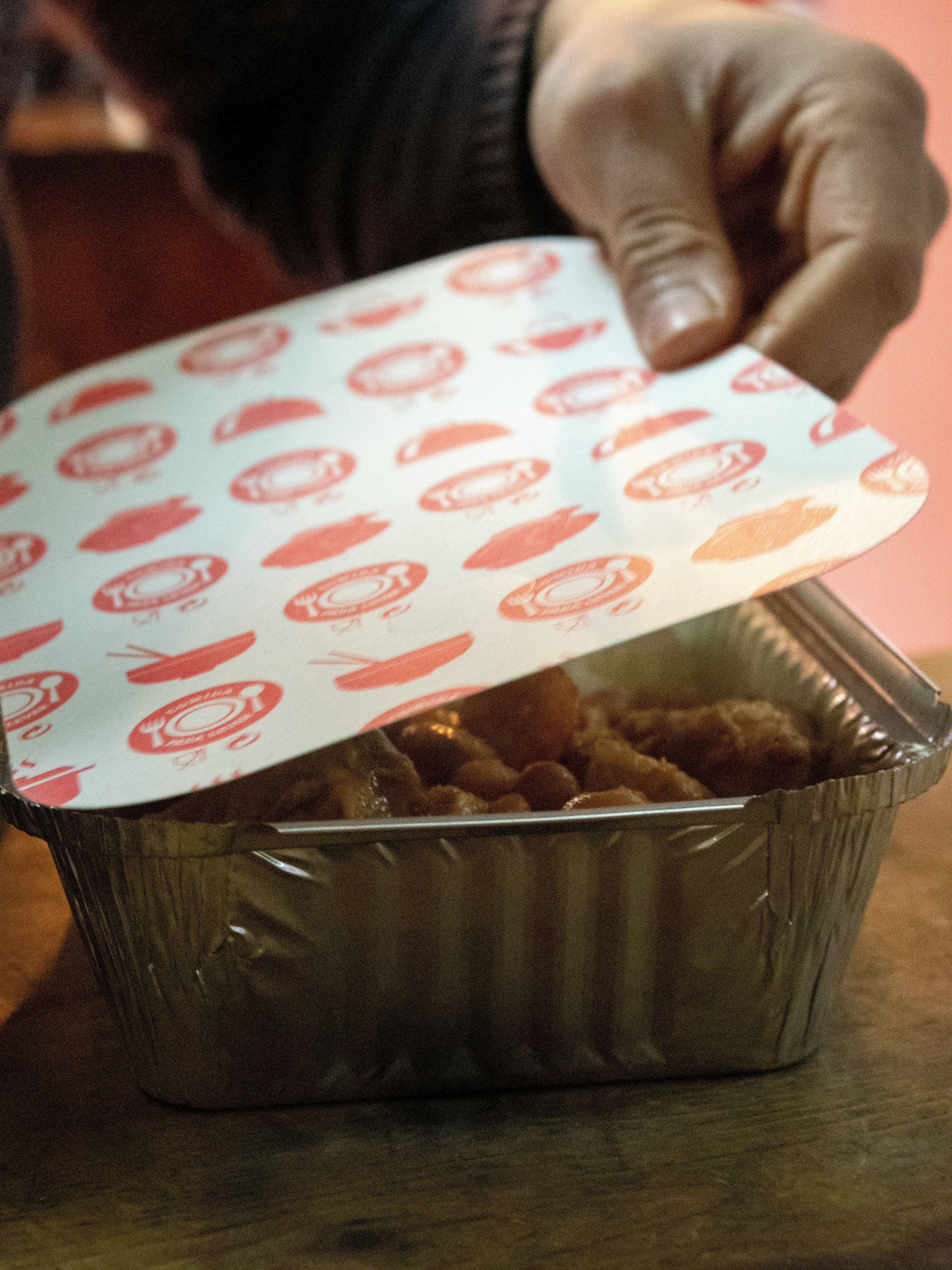
You can check packaging, delivery days and minimum orders from another home. If a small order is available and affordable, your parent may want to try it before committing to more. Afterwards, ask whether they liked the food and could manage the steps needed to eat it.
When eating is difficult
An unfinished meal can have several explanations. Your parent may dislike the food, miss familiar flavours or prefer company at mealtimes. Ask about that, and take discomfort or a change in appetite seriously.
NIDDK's older-adult guidance recommends speaking with a health professional about chewing difficulties, troublesome dentures or suspected medicine effects on taste or appetite.
Difficulty swallowing, coughing while eating or drinking, or a wet, gurgly voice afterwards needs urgent medical advice. The NHS recommends an urgent GP appointment or NHS 111 for these symptoms. Those routes apply in the UK; elsewhere, contact the local urgent-care service. Get individual advice before changing food textures or using thickeners to address swallowing problems.
Arrange a medical appointment if your parent keeps losing weight without trying. Reduced appetite or ongoing lack of interest in food also warrants medical advice, as the NHS's malnutrition guidance explains. You do not need to work out the cause before asking for help.
References
- Health Canada, Healthy eating for seniors.
- National Institute of Diabetes and Digestive and Kidney Diseases, Health Tips for Older Adults.
- NHS, Dysphagia (swallowing problems).
- NHS, Unintentional weight loss.
- NHS, Malnutrition: Symptoms.