
Planning an outing around your parent’s energy
Make an outing easier to manage by planning the whole trip around what your parent wants and the energy it may take.

Your parent would like to go out, but even a short visit can involve a long morning: getting ready, reaching the car, travelling, finding the entrance and waiting for somewhere to sit. There is still a journey home afterwards.
When you are helping from another home, it can be easy to picture the time at the destination and miss the effort around it. Looking at the whole trip gives you more places to make a change. You might shorten a walk, remove an errand or choose a different entrance while keeping the part your parent wants to enjoy.
Give the outing one main purpose
Imagine your parent wants to see an orchid display at a public garden. The first idea is to walk around the grounds, visit the display, have tea and collect a few things from the shops on the way home.
What matters most to your parent is seeing the orchids. The other parts have accumulated because everyone will already be out.
Build the visit around that interest. Your parent might choose the display and tea, with the longer walk left open. Or they might prefer to see the flowers and return home. Keeping one main purpose makes it easier to decide which additions can go when the day feels demanding.
Their answer may also be that they would rather go another day. Preparing an outing leaves room to change their mind.
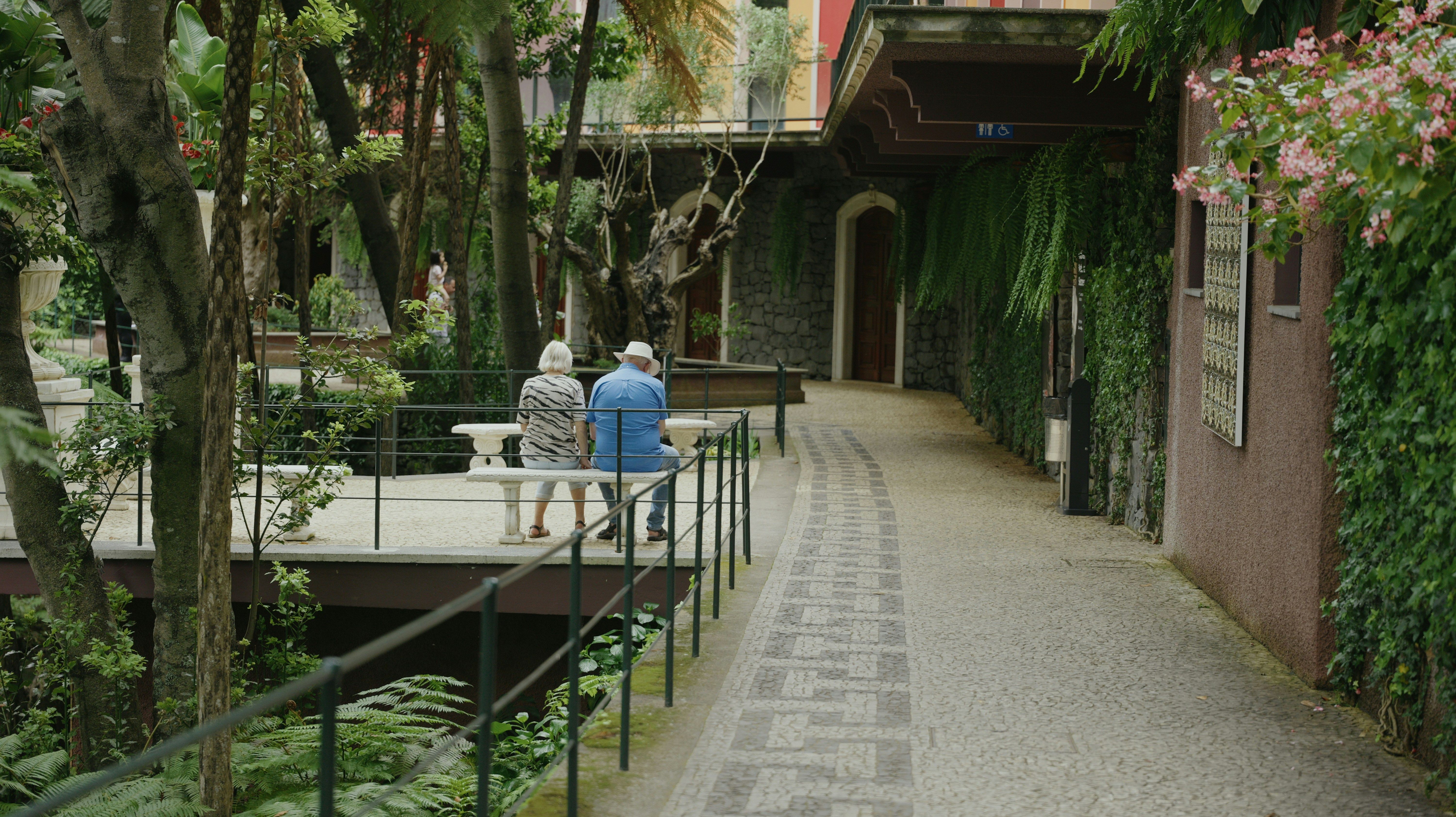
Make getting ready part of the plan
Consider what happens before you arrive to pick them up. Has your parent been trying to finish the washing, prepare food for later and get dressed before the doorbell rings? An outing can begin after several demanding jobs have already happened.
The Royal College of Occupational Therapists’ guidance on managing energy recommends spreading activities out, adjusting demanding parts and including rests. It is practical guidance for people recovering from illness or living with long-term conditions. Use any individual advice your parent has received when planning their day.
In the fictional garden visit, you could arrange a pickup that leaves time to get ready without rushing. With your parent’s agreement, the washing can wait and the shopping can happen separately. Items needed for the trip can be gathered beforehand, in a place your parent chooses.
There is no single best departure time for everyone. Consider when your parent usually feels able to take part, alongside the journey, opening hours and your own availability. Leave space around the outing instead of fitting it tightly between other commitments.
Check the route inside the venue
A website saying a place is accessible may still leave your particular questions unanswered. Look at the journey from the drop-off point or parking space to the activity, then to somewhere to sit and to the toilet.
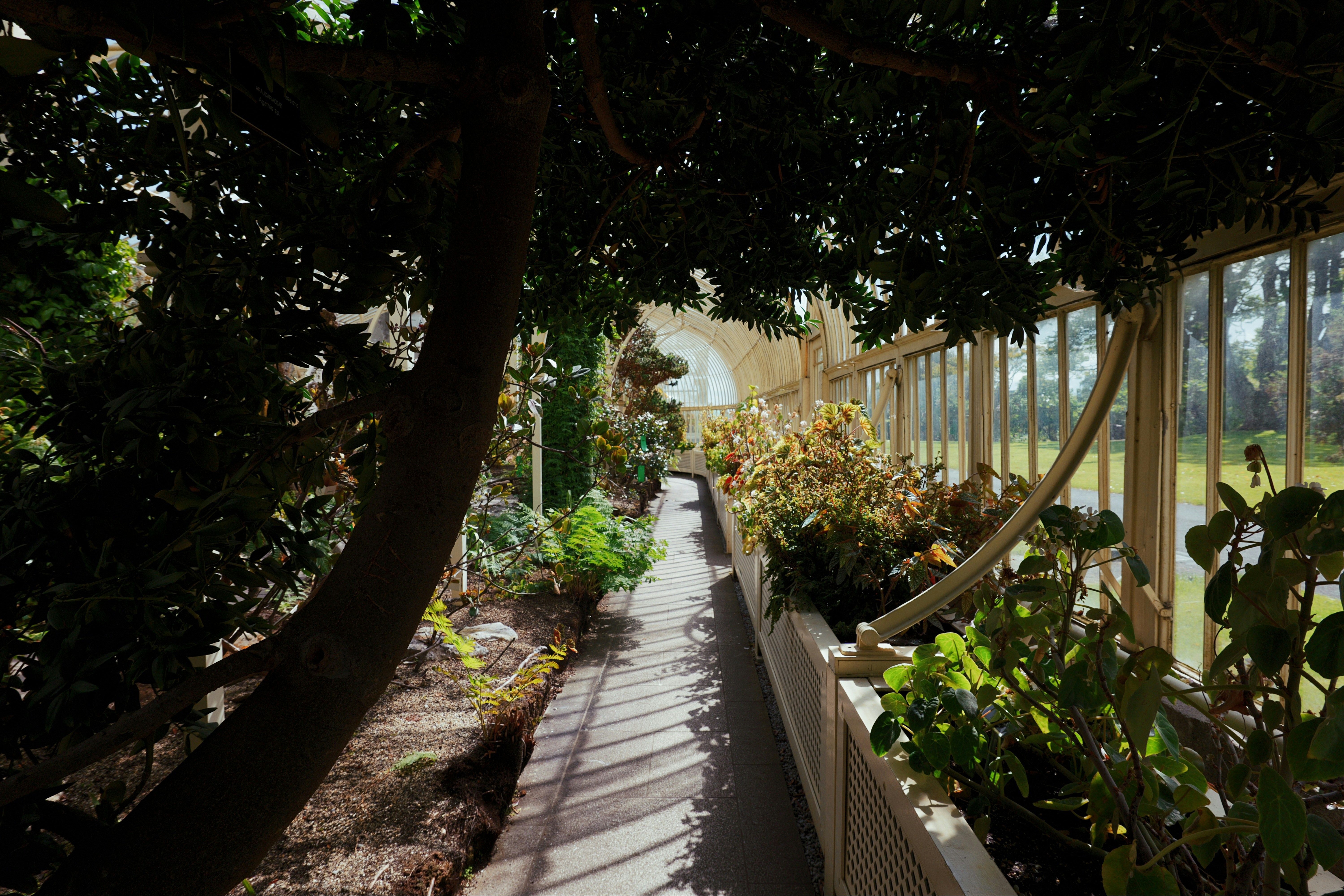
For the garden visit, useful details might include:
- Which entrance is closest to the display, and whether that entrance has steps.
- Whether the path involves slopes, uneven ground or a long walk.
- Where seating and toilets are, including any features your parent needs.
- Whether there is somewhere quieter to pause, and when queues are likely.
Alzheimer’s Society’s activity guidance for people with dementia recommends checking transport, seating, toilets and support at the destination, and considering quieter visiting times. It also suggests looking at a map or images beforehand. That advice is written for people living with dementia; the route questions above are practical details to investigate for your own parent’s needs.
If the map is unclear, ask the venue about the specific route. A nearby toilet on a plan may still be awkward to reach. Find out enough to judge whether the proposed visit fits; a general description cannot establish that on its own.
You can do this research from another home. Bring back the details that affect the choice, rather than booking an entire day before your parent has considered it.
Keep an easy way to leave
Plan the return while planning the outward journey. If the lift home is fixed for late afternoon, a short visit may still leave your parent waiting for hours. Check whether the person driving can leave earlier, or whether another realistic option exists. Consider availability, cost and any assistance needed to use it.
For the fictional visit, the driver agrees that the return can happen after the display. Tea remains an option if your parent wants it and feels able. The longer garden loop and shopping are left for another day. There is somewhere to sit before deciding whether to continue.
If your parent has dementia, the Alzheimer’s Association’s travel guidance recommends avoiding an overloaded schedule, allowing rest and preparing hosts for a visit that may be short or change at short notice. Apply those ideas to the person and the particular outing, rather than setting a standard visit length.
During the visit, keep the choices open. Tickets, travel or other people’s expectations can make changing plans feel awkward. Those arrangements are worth considering in advance, including cancellation terms, without turning attendance into an obligation.
Let this outing inform the next one
Afterwards, make room for your parent’s account of the trip. Perhaps they loved the display but found the entrance walk too much. Perhaps the quieter time suited them, while the wait for the car did not. How they feel later matters too.
Those details give you something specific to change next time: another entrance, a closer destination or a visit focused on a single activity. A shorter outing may suit them; so may seeing a friend at home. What they enjoyed belongs in that decision alongside what took effort.
If tiredness is affecting everyday life, or has continued for weeks without an explanation, help your parent seek medical advice rather than only adjusting outings around it. The NHS advises contacting a GP in those circumstances. A clinician or occupational therapist can help with individual questions about fatigue and everyday activity. This guide does not set an activity or rest allowance.
For the garden visit, the workable plan becomes quite modest: a suitable journey, the orchids, somewhere to sit and a return that can happen when needed. Your next outing can have its own shape, built around what your parent wants and what both of you can manage.
References
- Royal College of Occupational Therapists, Lift Up Your Everyday: Managing energy.
- Alzheimer’s Society, Activity ideas for people with dementia.
- Alzheimer’s Association, Traveling and Dementia.
- NHS, Tiredness and fatigue.